
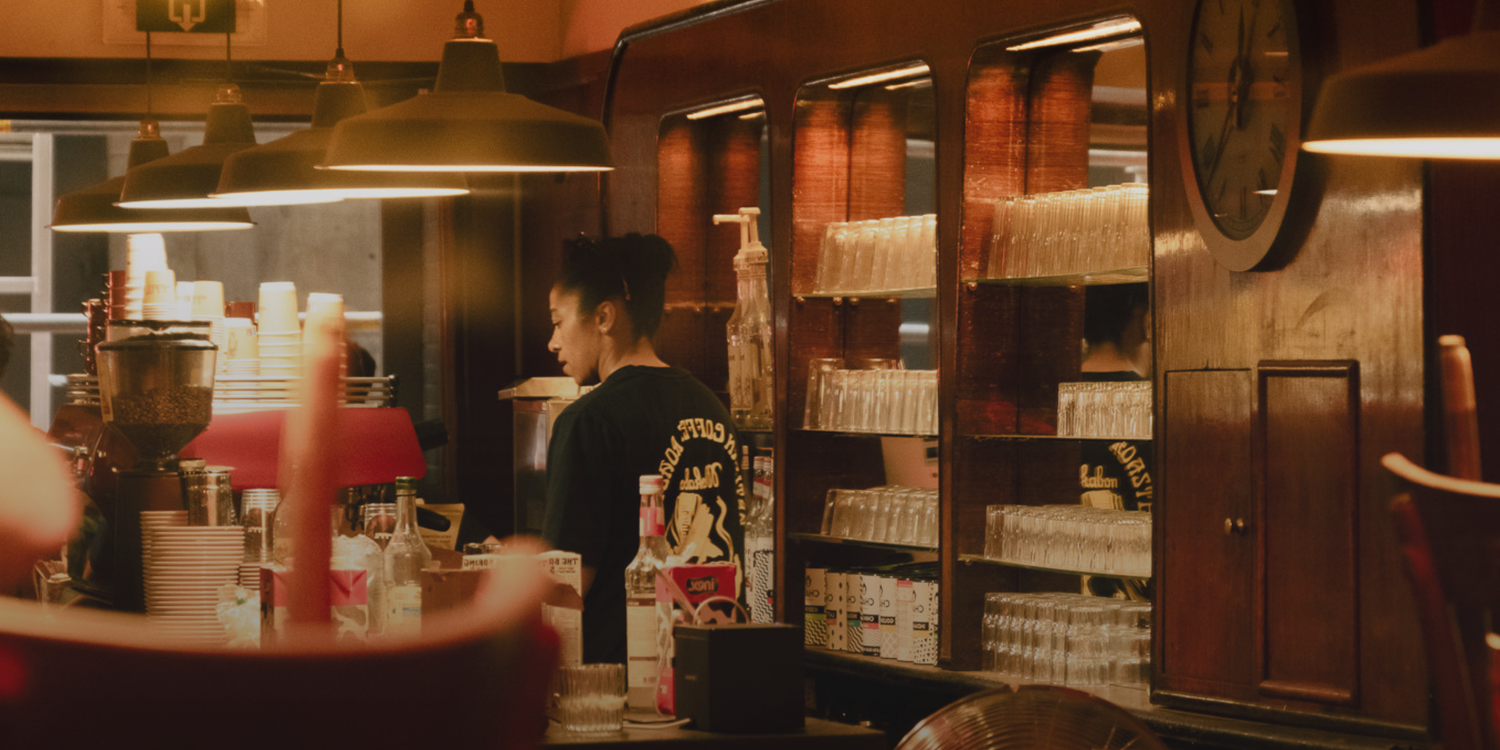
Do you dream of opening your own coffee bar? You are not alone. A cozy place, the smell of freshly ground coffee, regulars at the counter, and a spot where people love to linger: it sounds appealing.
Moreover, the way people consume outside the home is changing. Coffee is no longer just a quick morning drink. People meet in coffee bars, work there for several hours, grab coffee on the go, or consciously choose a cappuccino, matcha, chai, kombucha, or alcohol-free alternative instead of a classic alcoholic drink.
This shift offers opportunities for coffee bars with a strong concept. Customers are not just looking for quality coffee, but also a pleasant place and an offering that remains relevant at different times of the day.
However, a successful coffee bar does not arise solely from a love of coffee.
A good coffee bar combines a strong concept with a well-thought-out location, reliable equipment, quality coffee beans, an efficient workflow, and above all: a solid business plan that remains viable even on a quiet Tuesday in November.
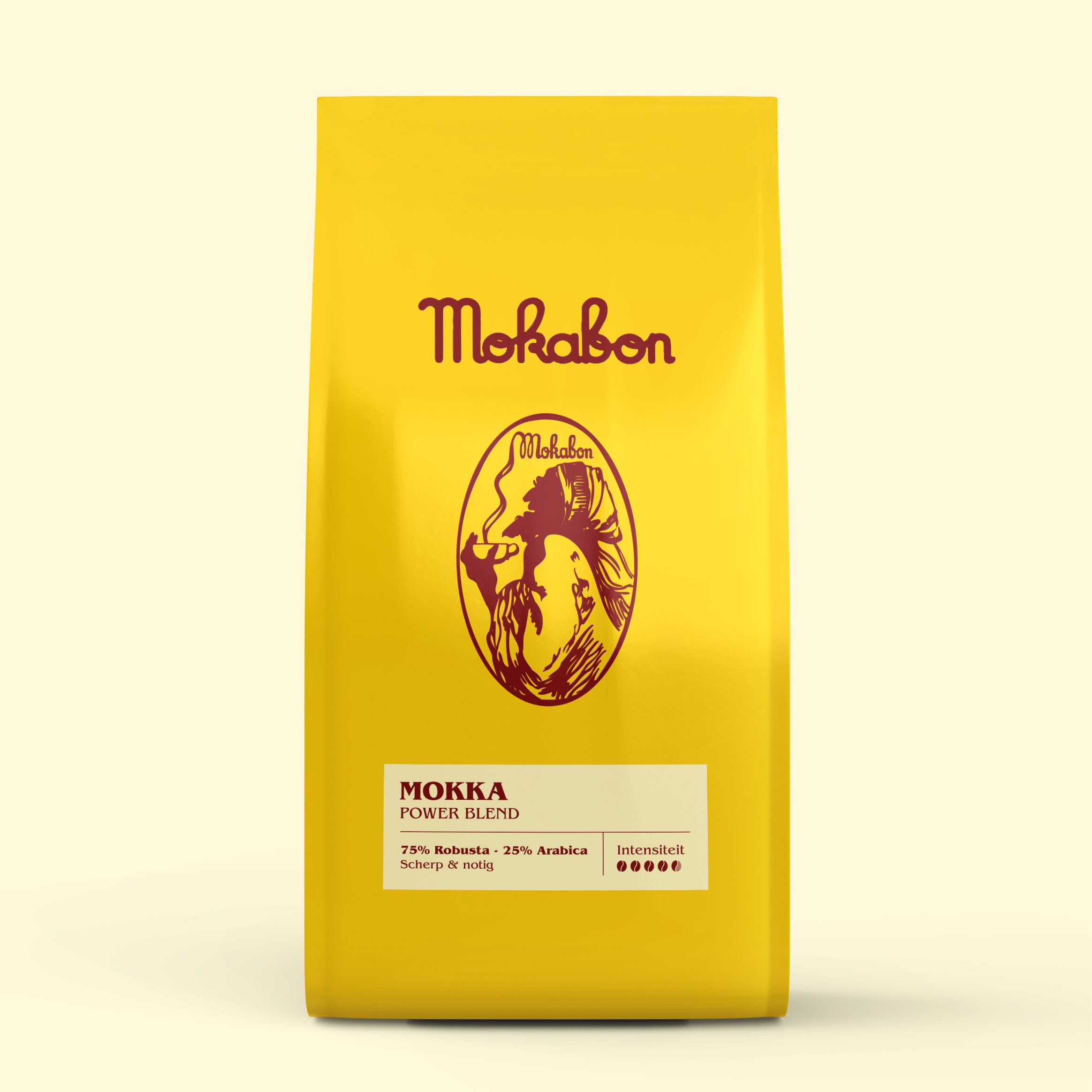
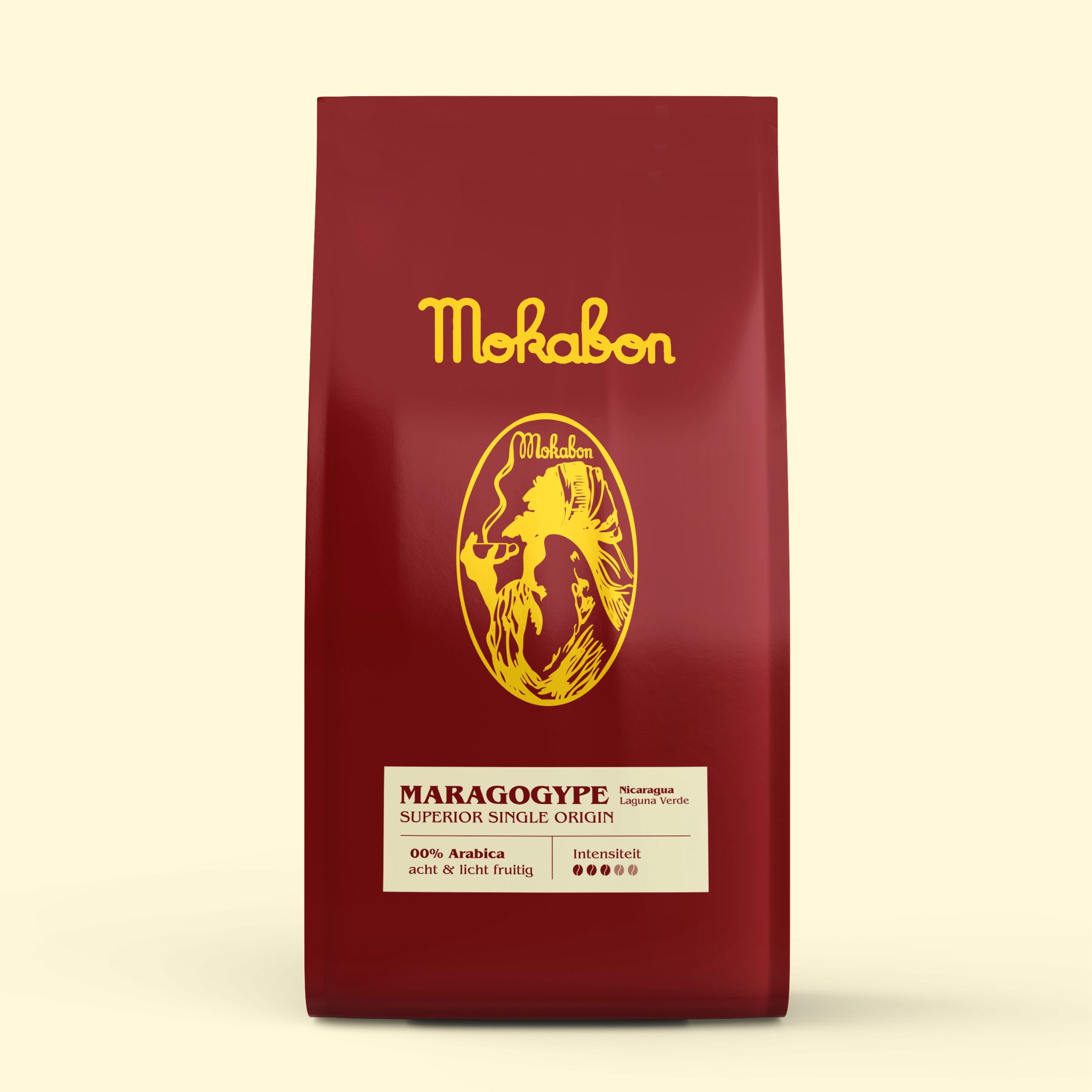
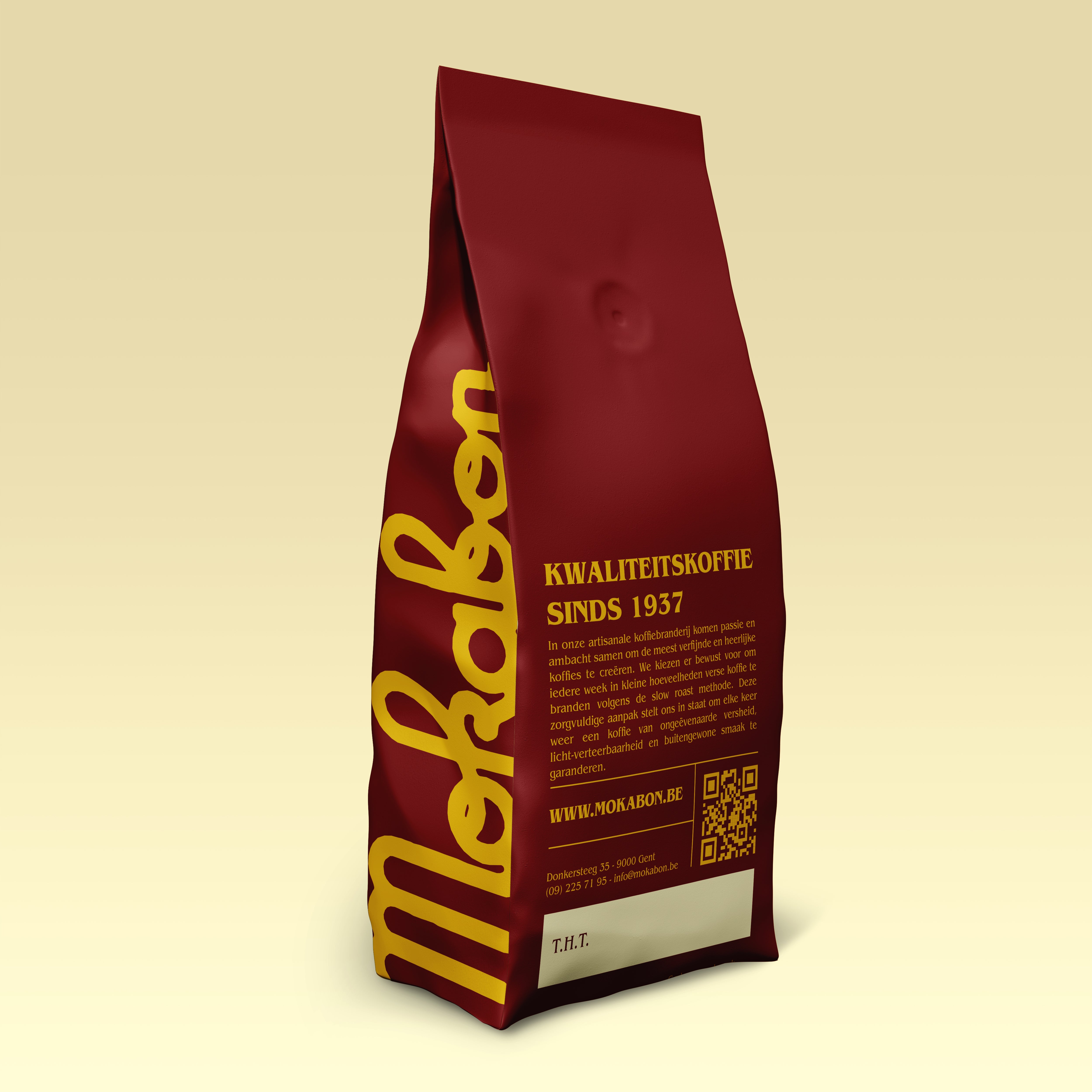
At Mokabon, we have been roasting and serving coffee since 1937. We have seen coffee trends come and go, but one thing has never changed: customers return for a good cup of coffee, a recognizable atmosphere, and genuine hospitality.
In this guide, you will learn what we believe you should pay attention to when you want to open a coffee bar in Belgium.
1. Don't start with the coffee machine, but with your concept
Many beginners immediately start looking at machines, cups, and furniture. That's understandable, but your first question should be:
Why exactly would customers come to your coffee bar?
“Quality coffee in a beautiful interior” is no longer enough as a distinguishing concept today. Therefore, think about the combination of target group, location, offerings, and atmosphere.
Possible concepts include:
- an accessible neighborhood coffee bar;
- a coffee bar focused on takeaway and commuting;
- a breakfast and lunch spot with coffee as a strong main product;
- a vintage coffee house with classic service;
- a specialty coffee bar with rotating single origins;
- a coffee bar with retail sales of beans and coffee accessories;
- a business focused on families, students, or office workers.
You don't need to come up with the most innovative concept in Belgium. A recognizable concept that is consistently executed is often stronger than a complicated idea that customers first need to learn to understand.
At Mokabon, for example, we don't believe that quality coffee has to be aloof or overly technical. Good coffee should be accessible. Your customer doesn't need to know a flavor lexicon to enjoy an espresso, cappuccino, or filter coffee.
A specialized design or branding agency can certainly help you with this. Not just with a logo or interior style, but especially with translating your idea into a clear concept: who you want to attract, what atmosphere you want to create, what your brand looks like, and how all elements from facade and menu to packaging and social media form a recognizable whole.
This is not an unnecessary luxury. A strong concept helps customers immediately understand what your business stands for and prevents you from making random choices during renovations that don't fit well together afterward. Make sure that the agency not only designs something beautiful but also takes your target audience, budget, workflow, and commercial viability into account.
2. Choose your location based on behavior, not just intuition
The location is one of the most important and difficult-to-adjust choices when opening a coffee bar. An interior can be renewed, and a menu can be adapted. Moving a property in the wrong location is much more difficult.
Therefore, look beyond the monthly rent.
Research foot traffic at different times
Go to the property yourself on multiple days and count how many people pass by:
- on a weekday between 8:30 and 9:30 AM;
- during lunch;
- at the end of the workday;
- on Saturday;
- in both good and bad weather.
Also pay attention to the type of foot traffic. Two hundred people rushing to catch their train require a different concept than two hundred shoppers who have time to sit down.
Check your immediate surroundings
Investigate, among other things:
- offices and co-working spaces;
- schools and universities;
- shops and tourist attractions;
- public transport;
- cycling and parking facilities;
- competitors;
- vacant commercial properties;
- future roadworks or urban developments.
Competition , by the way, is not always negative. Multiple strong hospitality businesses can together turn a street into a destination. However, you must clearly know how you differ.
Check the property before signing
Check whether the property is suitable and permitted for the activities you wish to carry out. Among other things, check electricity, water supply, drainage, ventilation, toilets, sound insulation, storage space, accessibility, and fire safety.
Before signing a commercial lease agreement, seek advice from your municipality, architect, accountant, or business counter. Depending on the municipality and your activities, various permits and certificates may be required. A fire safety certificate may also be required before opening.
3. Create a realistic financial plan
A coffee bar can be a great business, but coffee doesn't have a magical profit margin. Revenue is not the same as profit.
Your investment largely depends on the property and the concept. Taking over a small existing catering business is different from completely renovating an empty commercial property.
At least consider:
- rental deposit and any takeover costs;
- renovation and furnishing;
- espresso machine and coffee grinders;
- water treatment;
- refrigeration, dishwasher, and kitchen equipment;
- POS system and payment terminal;
- crockery and small equipment;
- initial inventory;
- permits, insurance, and fees;
- facade, signage, and communication;
- personnel costs;
- working capital for the first few months.
A professional coffee bar, depending on the renovation and equipment, can quickly require an investment of tens to several hundreds of thousands of euros. Therefore, never consider an online guideline amount as your definitive budget. Obtain quotes and provide a generous buffer for unexpected costs.
Calculate how many customers you need daily
Suppose your average customer spends €8. Then you need about one hundred transactions for €800 in daily revenue.
But many costs still need to be deducted from that revenue:
- VAT;
- ingredients;
- wages and social charges;
- rent;
- energy;
- insurance;
- maintenance;
- marketing;
- software;
- depreciation;
- waste and product loss.
Therefore, create at least three scenarios:
- a cautious revenue;
- a realistic revenue;
- a strong revenue.
Your financial plan must also allow sufficient breathing room in the cautious scenario.
4. Choose coffee that suits your customers
Your coffee is one of the few products that almost every regular customer orders again and again. The choice of your coffee roaster is therefore not a detail, but a strategic decision.
Specialty coffee has contributed much to Belgian coffee culture: more attention to origin, processing, freshness, and correct preparation. However, not every coffee bar needs to exclusively serve light, fruity coffees.
The right coffee is coffee that is:
- of high quality and fresh;
- consistently flavorful;
- suitable for your target audience;
- works well in your recipes;
- can be served profitably;
- remains easily reproducible even during busy periods.
A distinctly fruity espresso can work perfectly in a specialized coffee bar. In a busy neighborhood establishment, a round, accessible blend with chocolate, caramel, or nutty flavors might better meet public expectations.
The most important thing is that you consciously choose what suits your business.
5. Choose a coffee partner, not just a supplier
A coffee supplier delivers bags of coffee. A good coffee partner helps you serve that coffee correctly and profitably every day.
When comparing Belgian coffee roasters, pay attention to:
- taste and consistency;
- freshness and roasting frequency;
- delivery times;
- minimum order quantities;
- start-up support;
- machine and grinder calibration;
- barista training;
- technical partners;
- retail sales opportunities;
- support for growth or a second location.
- Last but not least, think local (recognizability)
Belgium now has several interesting coffee roasters, including some established names in each region such as Caffenation (Antwerp), Mokabon (East Flanders), Corica (Brussels), Viva Sara (West Flanders), Maes coffee (Limburg), but also many new kids on the block like MOK, Wide Awake, Andy Roasters, Ray & Jules. Each roaster has its own style. Some focus strongly on modern specialty coffee, others on more traditional flavor profiles or a combination thereof.
Mokabon as a coffee partner for your coffee bar
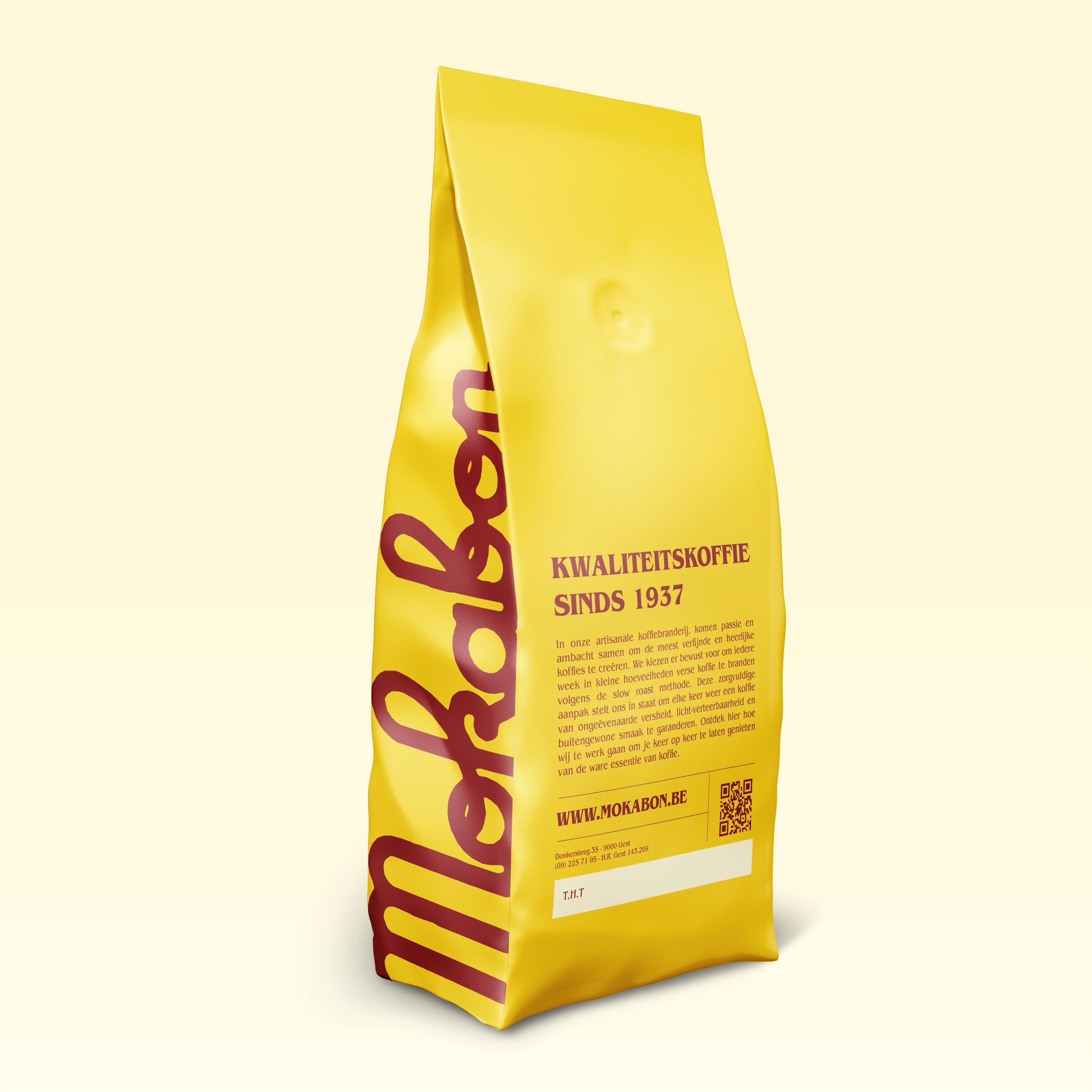
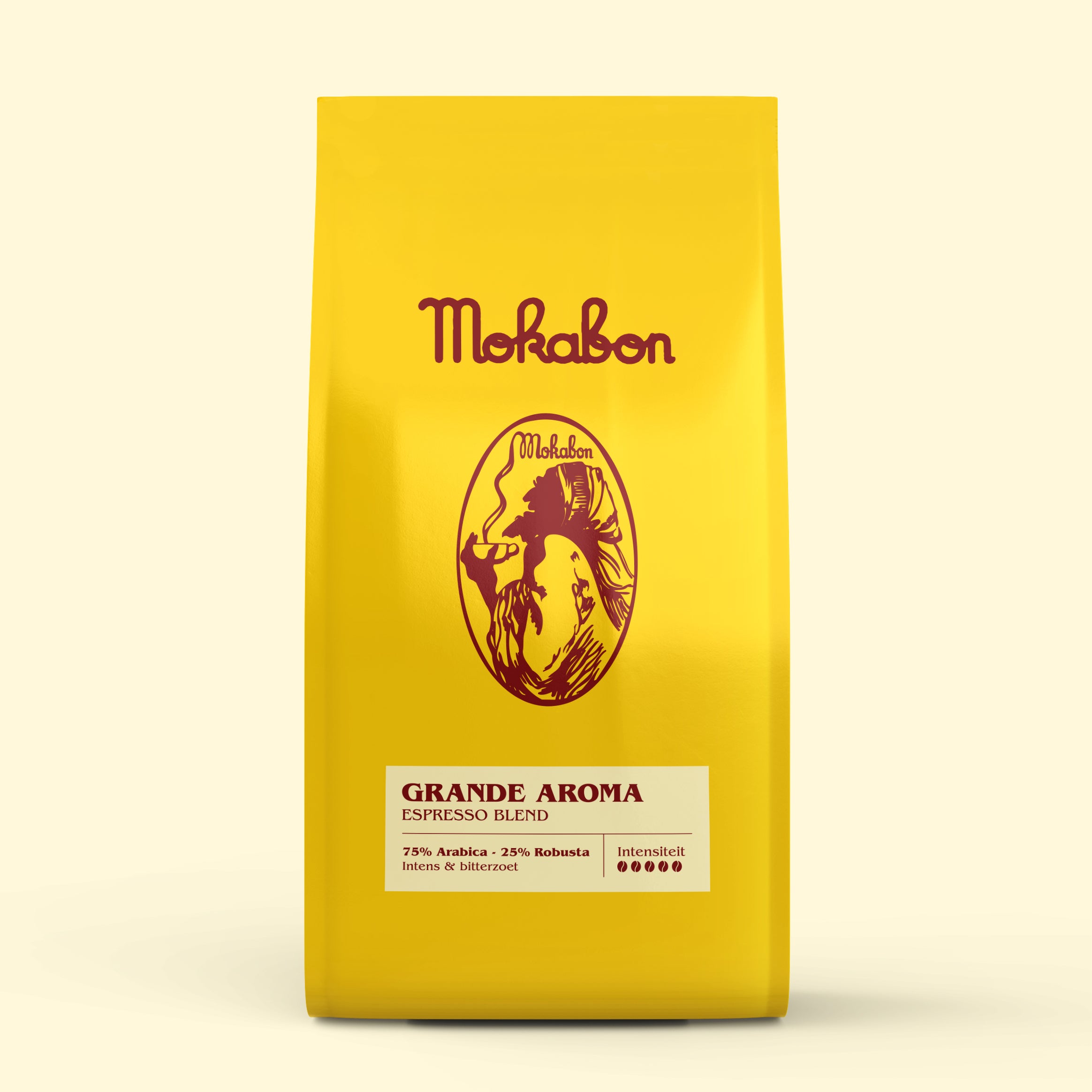
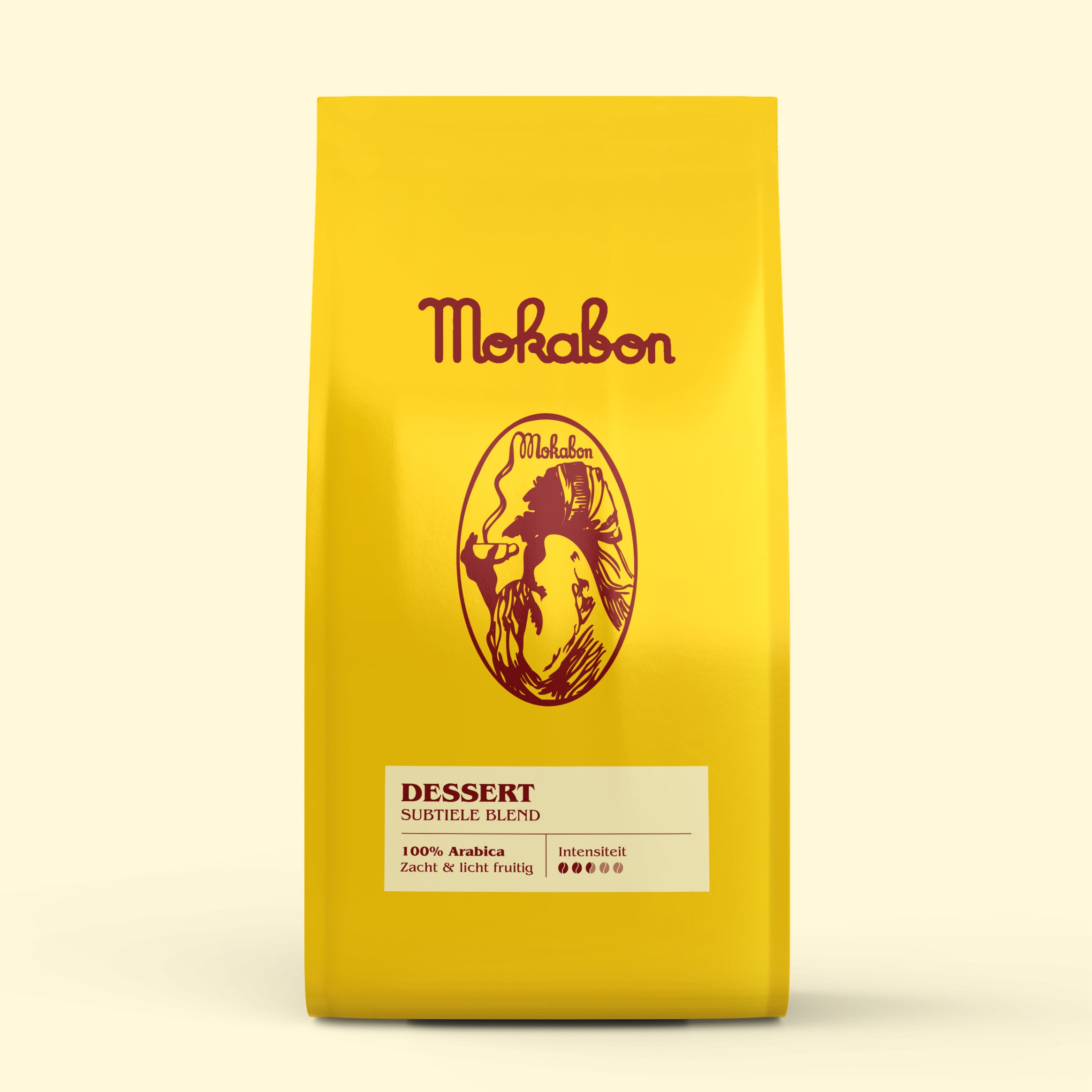
Mokabon has been roasting coffee in Ghent since 1937. We are not a new brand that jumped on a trend, but an experienced Belgian coffee roaster with almost ninety years of coffee expertise.
Our style is authentic and accessible: quality coffee with character, without coffee having to be complicated.
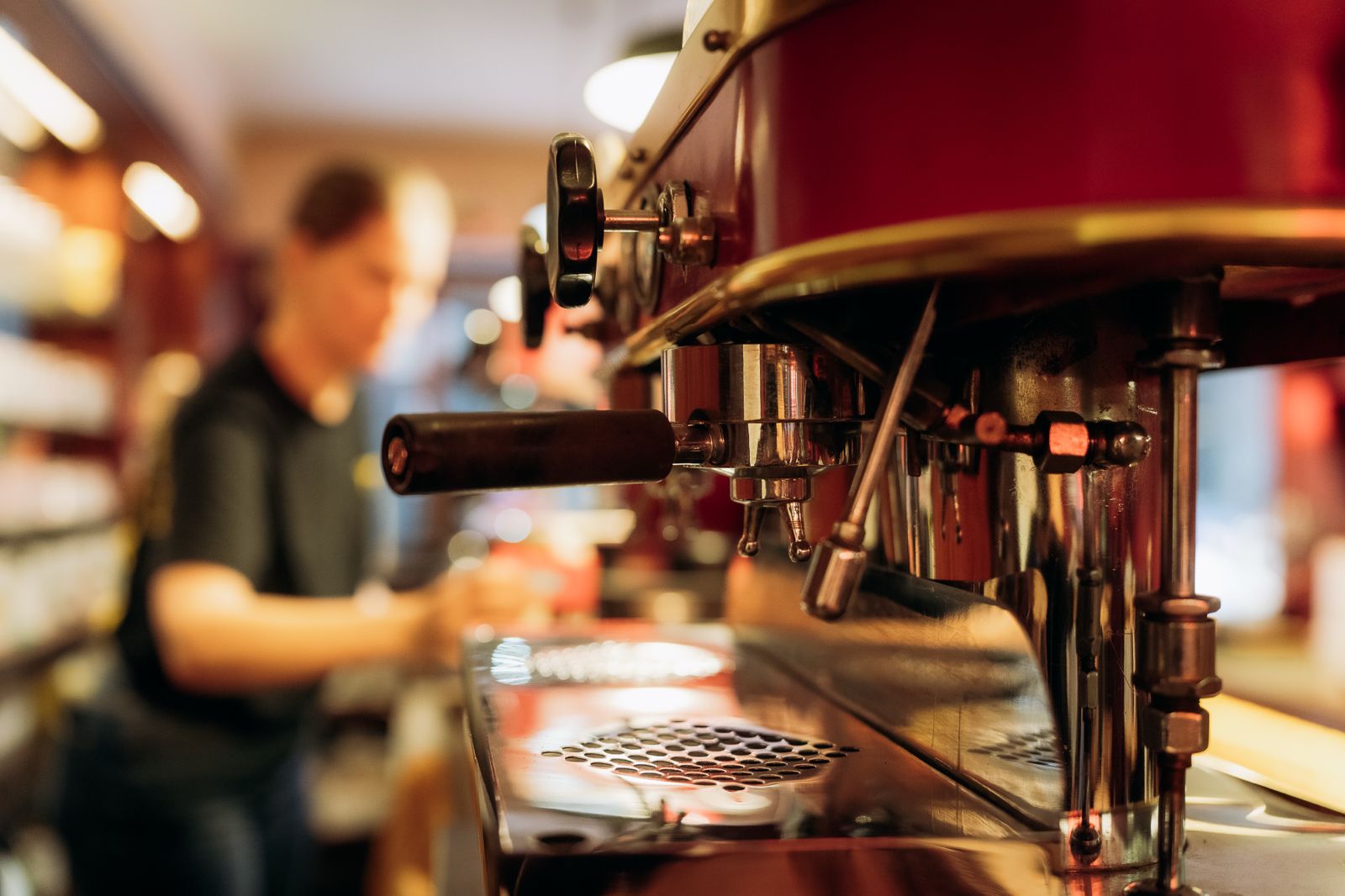
6. Invest in the right espresso machine and grinder
A striking espresso machine on the counter is beautiful, but the logo on the machine doesn't automatically make your coffee better.
Your complete coffee setup must be tailored to your expected volume, menu, peak hours, and available workspace.
How many groups do you need?
For a small business with limited volume, a compact machine may suffice. If you expect significant morning and lunch peaks, a two-group machine generally offers more capacity and working comfort.
Don't just look at your average number of coffees per day. The number of orders during the busiest fifteen minutes primarily determines how much capacity you need.
Don't skimp on the coffee grinder
The grinder has at least as much influence on the result as the espresso machine. A professional grinder must dose quickly, accurately, and consistently.
Consider a second grinder for:
- decaf;
- a second espresso;
- a temporary single origin;
- a different flavor profile.
Brands like La Marzocco, Victoria Arduino, Sanremo, Nuova Simonelli, and Rocket are well-known names in the professional market. Which machine fits best depends on your volume, budget, technical service, and desired operation.
Always ask who performs maintenance and how quickly help is available in case of a breakdown. A cheaper machine without reliable technical support can ultimately become the most expensive choice.
Don't forget water quality
Espresso largely consists of water. However, water treatment is often only discussed at the end of a startup.
Incorrect water affects both the taste and the lifespan of your equipment. Therefore, have the water quality analyzed and install a suitable filter or treatment solution.
7. Design your bar around speed and movement
A beautiful coffee bar can be operationally very inconvenient. Therefore, do not exclusively design your bar from the customer's perspective.
Before renovating, review every action:
- taking orders;
- grabbing a cup;
- grinding coffee;
- preparing espresso;
- getting milk and frothing it;
- finishing the drink;
- handing over the order;
- rinsing equipment;
- refilling milk and beans.
Are the refrigerator, machine, grinder, sink, and crockery logically arranged relative to each other? Can two employees work simultaneously without constantly crossing paths?
A few seconds of time loss per order may seem small. During hundreds of preparations per day, they lead to longer queues, more stress, and higher personnel costs.
Place your most popular products within reach and ensure that refilling is possible without blocking the entire workflow.
8. Keep your menu smaller than your first instinct
Starters often want to offer something for everyone. As a result, the menu quickly expands to include espresso, cappuccino, twelve syrups, smoothies, breakfast, sandwiches, cake, pancakes, cocktails, and lunch dishes.
However, every extra product brings additional inventory, training, materials, actions, and waste.
Start with a core assortment that you can execute excellently.
A simple coffee menu can consist of:
- espresso;
- double espresso;
- lungo or americano;
- cappuccino;
- latte;
- flat white;
- filter coffee;
- tea;
- a few cold drinks.
Only add products when they fit your concept and sell sufficiently.
9. Increase your average ticket with a smart food offering
Coffee can be your core product, but a croissant, pastry, breakfast, or lunch item increases the amount per order.
That doesn't mean you have to start a full bakery yourself. In-house production can be interesting when it's truly part of your concept, but it also requires:
- extra space;
- equipment;
- skilled staff;
- early production times;
- inventory planning;
- allergen management;
- more cleaning;
- a greater risk of waste.
For many coffee bars, collaborating with a good baker or specialized pastry supplier is simpler and more profitable.
For example, start with three to five strong products and closely monitor what sells. A smaller display that is regularly refilled often looks more attractive than a large counter full of products that have to be thrown away at the end of the day.
10. Calculate the true cost of each cup of coffee
The cost of a cappuccino does not only consist of coffee beans and milk.
Also include:
- coffee;
- milk or plant-based drink;
- sugar;
- takeaway cup and lid;
- napkin;
- transaction costs;
- breakage and waste;
- labor;
- energy;
- rent and other fixed costs.
Dose consistently and work with clear recipes. Without fixed recipes, one employee might use 18 grams and another 21 grams. For a single coffee, that difference seems small. Across thousands of coffees per month, it becomes a significant cost.
Fixed recipes also ensure a more consistent taste and a more reliable margin.
11. Think early about staff and training
Even the best barista cannot completely solve a poor workflow. Conversely, a clear system can ensure that a less experienced employee quickly learns to make consistent coffee.
Therefore, establish basic standards for:
- opening and closing procedures;
- espresso settings;
- milk temperature;
- recipes and cup sizes;
- cleaning;
- inventory;
- service;
- complaints;
- machine maintenance.
Don't just train latte art. Speed, hygiene, hospitality, and communication are at least as important.
Customers will forgive a heart that isn't perfectly symmetrical. What they mainly remember is whether they were served kindly and if their coffee tasted good.
12. Get your administration and permits in order
A coffee bar is a food establishment. You must therefore correctly register your activities and follow the applicable food safety regulations.
A company active in the food chain in Belgium must be registered, authorized, or recognized by the FASFC before starting, depending on the activities.
Additionally, check which local obligations apply to, among other things:
- fire safety;
- environmental permits;
- terrace use;
- signboards and facade advertising;
- music;
- opening hours;
- spirits and other alcoholic beverages;
- waste;
- accessibility.
If you sell alcohol, additional permits may apply. Since May 1, 2025, there has been a federal "Alcohol and Tobacco Dealer" permit, in addition to any local requirements.
Always inquire with your municipality and business counter. The exact conditions may vary according to location and activities.
Also consider:
- a company number;
- VAT activation;
- insurance;
- social secretariat;
- personnel administration;
- allergen information;
- self-monitoring and cleaning records;
- a POS system;
- accurate accounting and invoicing.
Furthermore, from 1 January 2026, Belgian VAT-registered businesses will be obliged to use structured electronic invoices for domestic B2B transactions. A standard PDF sent by email will not suffice.
13. Don't open without working capital
Your opening week can be busy due to curiosity, friends, and social media. After that, the real test begins.
Therefore, provide enough money to cover the first few months. You may face:
- a slower build-up of regular customers;
- seasonal fluctuations;
- staff costs before your turnover reaches cruising speed;
- defects;
- unexpected renovation costs;
- permits taking longer;
- additional stock;
- quiet holiday periods.
A busy shop on Saturday says little about your overall profitability. Your monthly figures must also account for quiet weekdays.
14. Build a brand that lasts longer than an interior trend
Instagram can bring customers to your business for the first time. The experience makes them return.
A strong coffee brand consists of more than just a logo. Consider:
- the name;
- facade and display window;
- interior;
- menu;
- crockery;
- packaging;
- music;
- way of serving;
- photography;
- tone of voice;
- story behind your coffee.
You don't need to follow a new concept every year. Mokabon has existed since 1937 because its core has remained recognizable: coffee with character, a business with a soul, and a personal connection with customers.
For us, vintage does not mean old-fashioned. It means building something that doesn't feel dated after one season.
Common mistakes when opening a coffee bar
Accepting excessively high rent
A busy street is attractive, but your rent must remain proportionate to your realistic turnover.
Investing too much in appearance and too little in operation
A marble counter is beautiful. A good grinder, water treatment, and efficient bar yield more every day.
Offering too large a menu
More choice does not automatically mean more turnover. It often means more stock, training, and waste.
Not providing a buffer
Opening without working capital makes you vulnerable to any unexpected cost.
Choosing coffee based on price per kilogram
A difference of a few euros per kilogram often has a limited impact per cup. Poor taste, inadequate support, or unreliable delivery can cost much more.
Not using recipes
Without fixed dosages and preparation methods, you will get inconsistent quality and unpredictable margins.
Only accounting for opening rush
An opening week is not a reliable average. Build your planning around a normal month.
Frequently asked questions about opening a coffee bar
How much does it cost to open a coffee bar in Belgium?
That depends on the property, renovation, equipment, and concept. A simple takeover with limited adjustments can cost significantly less than a completely new setup. With a thorough renovation, the total investment can easily exceed €100,000. Request concrete quotes and always provide a financial buffer.
Do you need a diploma to open a coffee bar?
No specific diploma is required for many business activities, but you must comply with regulations for businesses, food safety, personnel, and any local permits. Have your situation checked by a business counter and your municipality.
Which coffee beans are suitable for a coffee bar?
Choose beans that suit your target audience and drinks menu. For an accessible hospitality establishment, a stable blend with a rounded flavour profile often works well. A specialty coffee bar can also work with lighter single origins and rotating seasonal coffees.
Which espresso machine do you need?
That mainly depends on your peak volume. For most full-fledged coffee bars, a professional two-group machine is a logical choice. Assess the machine, grinder, water treatment, and technical support as a single unit.
Is owning a coffee bar profitable?
A coffee bar can be profitable when rent, personnel costs, opening hours, selling prices, and volume are well-aligned. High turnover alone is no guarantee. Your average ticket, staff productivity, and product loss are at least as important.
How do you find a good coffee supplier for the hospitality industry?
Taste different coffees, but also compare price, service, delivery reliability, training, and technical support. Ask if the roaster has experience with hospitality businesses and can assist with recipes, machine settings, and growth.
Ready to open your coffee bar?
A successful coffee bar starts with a strong concept and a sound financial plan. After that, the location, workflow, people, and products make the difference.
Don't automatically choose the most expensive machine, the trendiest coffee, or the largest menu. Choose quality that you can consistently deliver every day.
Are you opening a coffee bar and looking for an experienced Belgian coffee partner?
Mokabon has been roasting quality coffee in Ghent since 1937 and supports hospitality businesses in choosing their coffee, adjusting their equipment, and training their team.
From an accessible house blend to a coffee with a more distinctive character: together we look for a flavour that suits your concept and the people who will be sitting at your counter.
Contact Mokabon and tell us about your coffee bar. We will then work together to make coffee one of the strongest parts of your business.