
As 2026 slowly begins, it's becoming clear just how much coffee culture has evolved over the past year. Coffee has long since become more than a morning ritual. It has become a cultural barometer, merging taste, sustainability, identity, and even well-being.
2025 showed that consumers are no longer satisfied with the standard offerings. They seek experience, meaning, and quality, and coffee shops are moving along with them.
2025: The year coffee got texture
If one word defines 2025, it's texture . Cold foam conquered the bar: from cold brew to iced latte, coffee was finished with creamy foam layers that were as photogenic as they were flavorful. Social media did the rest. A cup of coffee shouldn't just taste good; it should look good too.
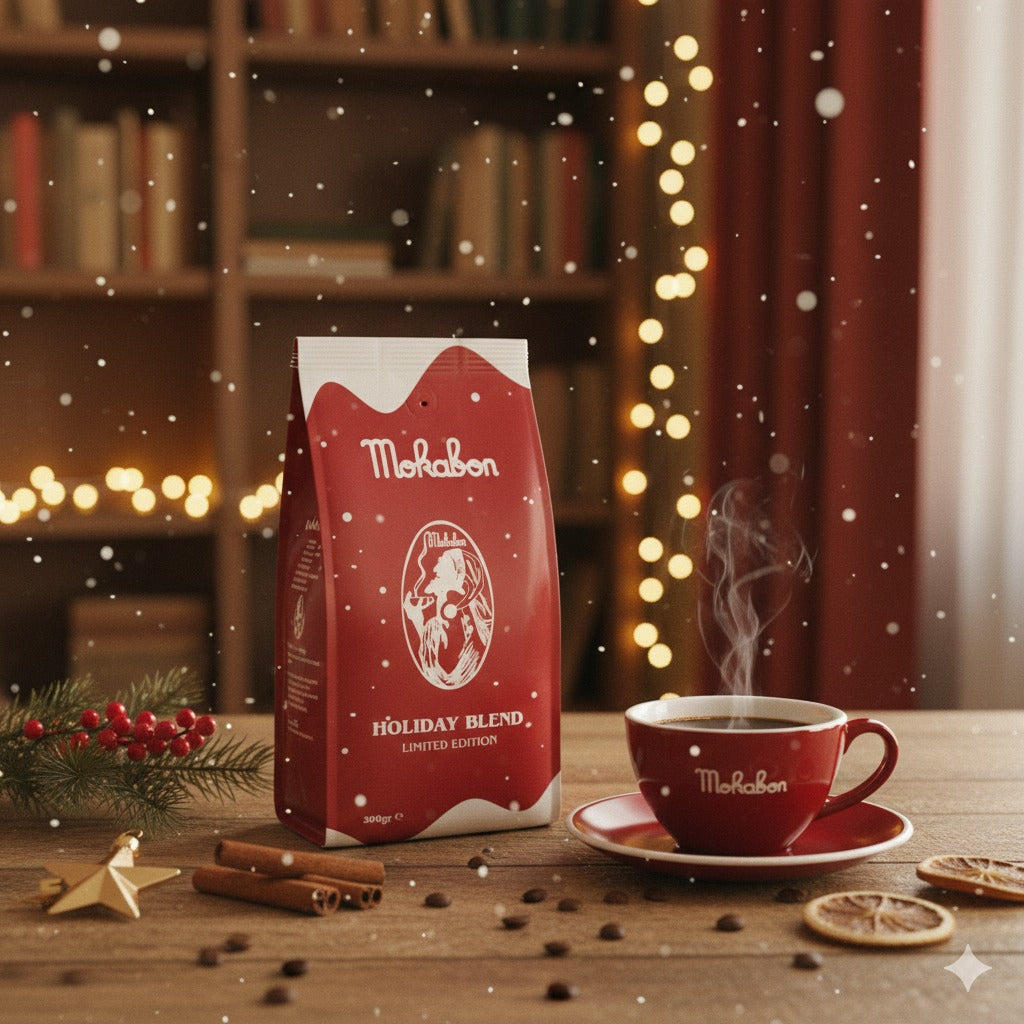
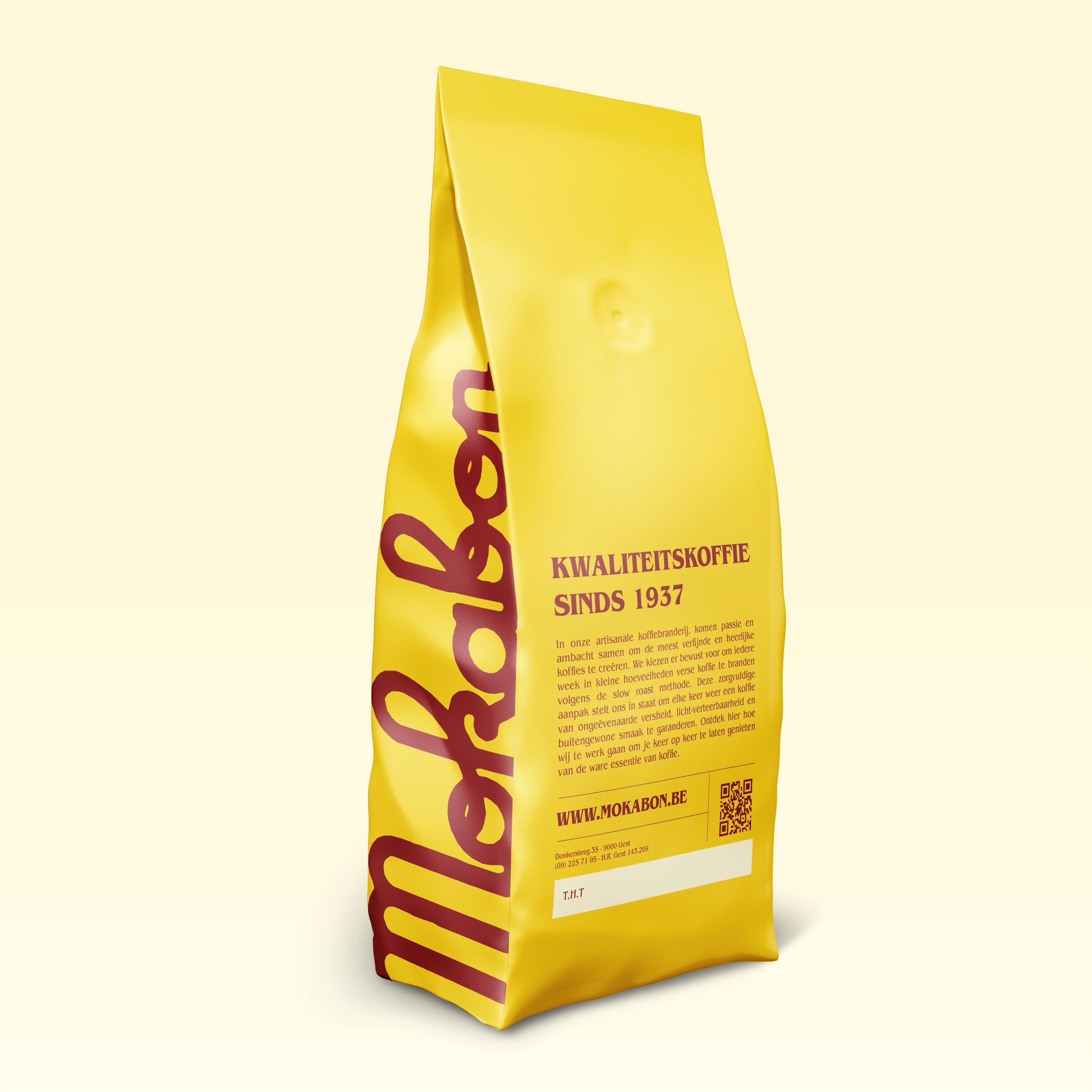
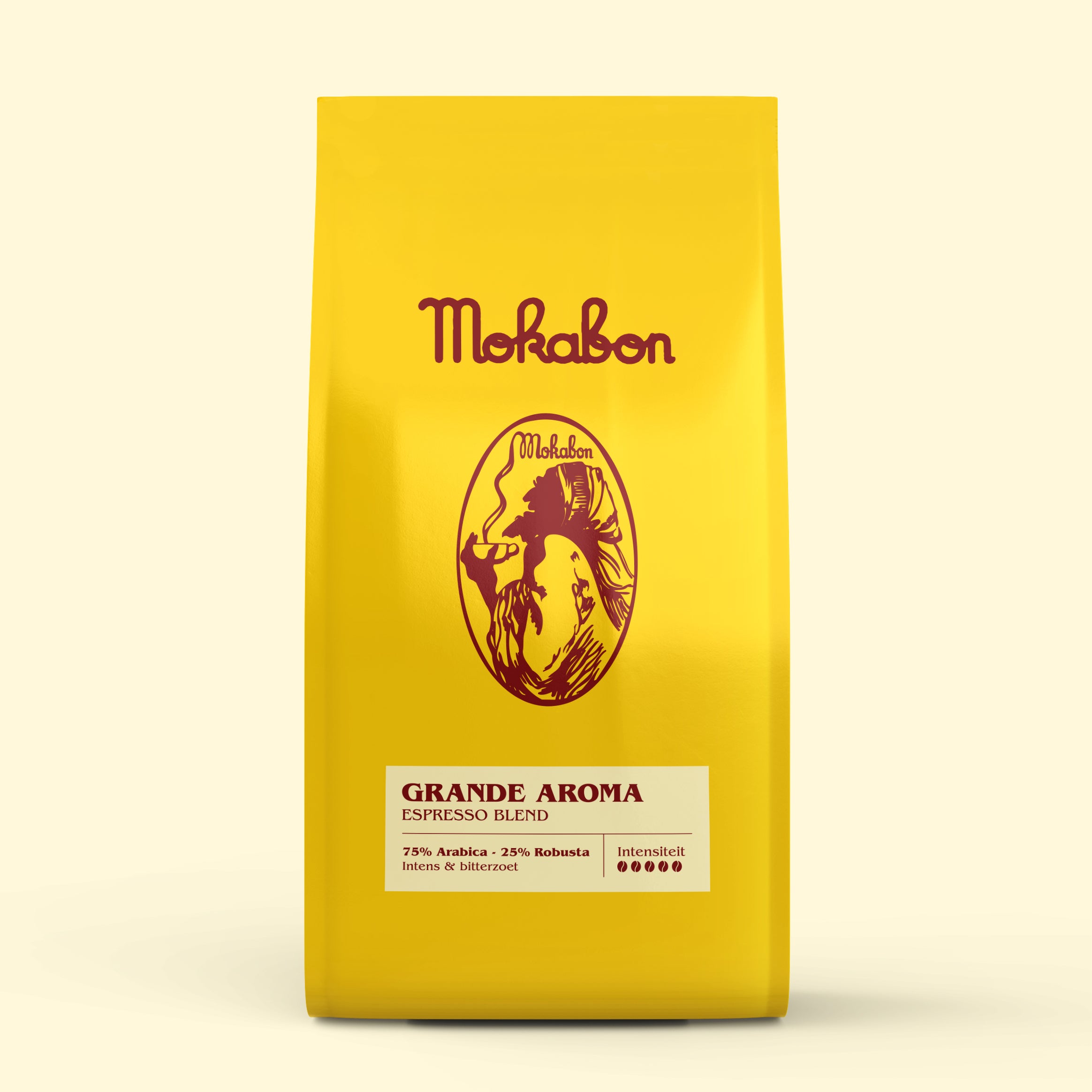
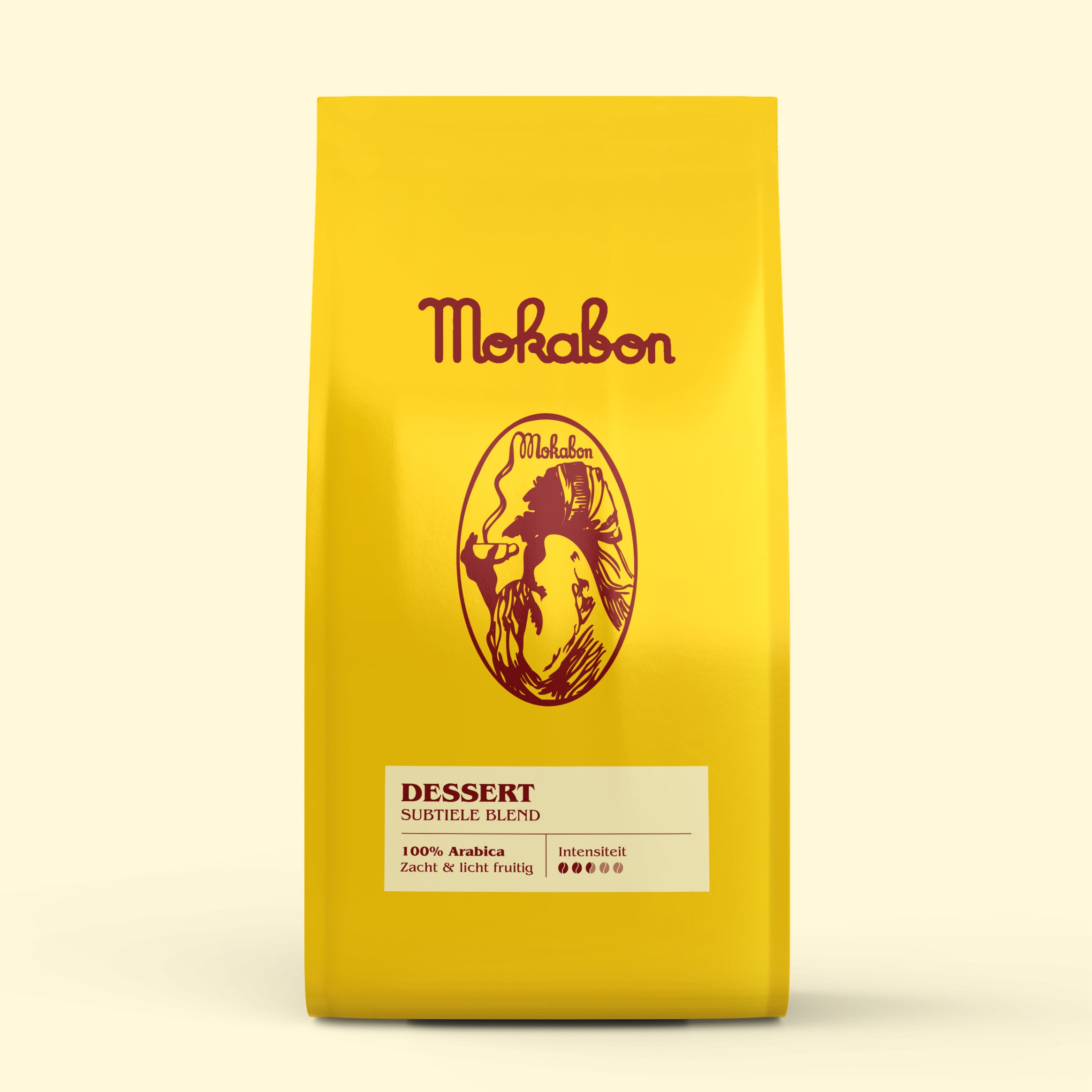
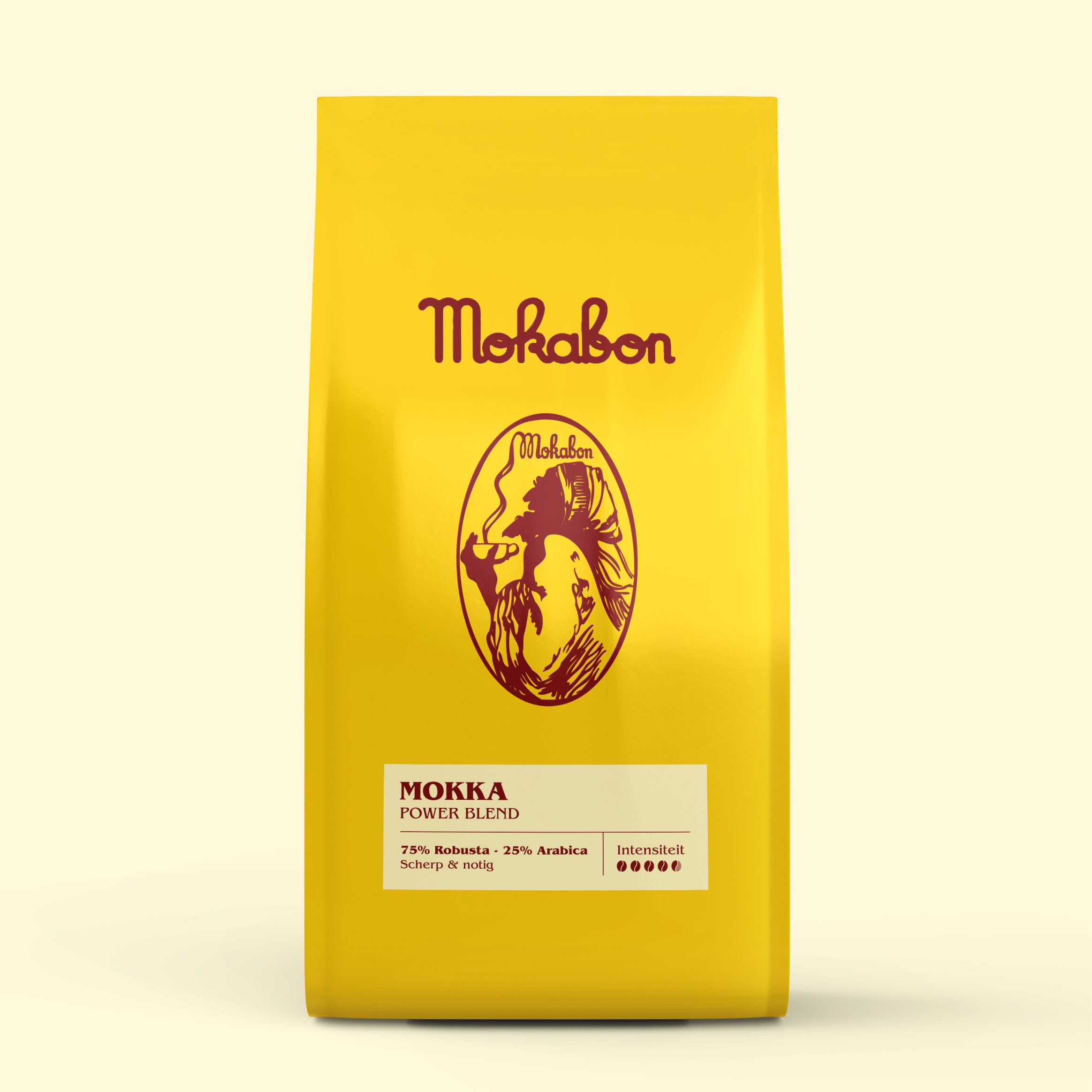
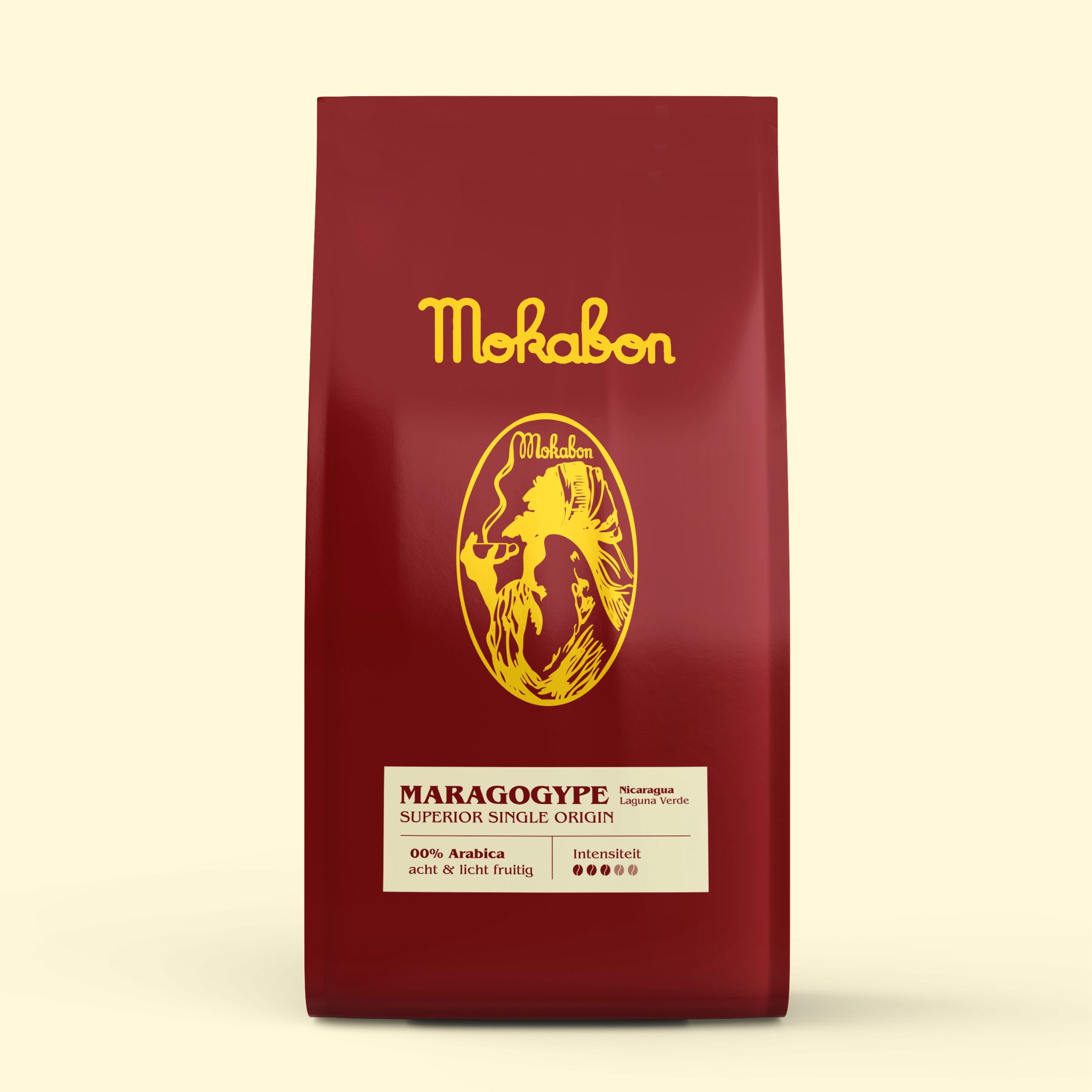
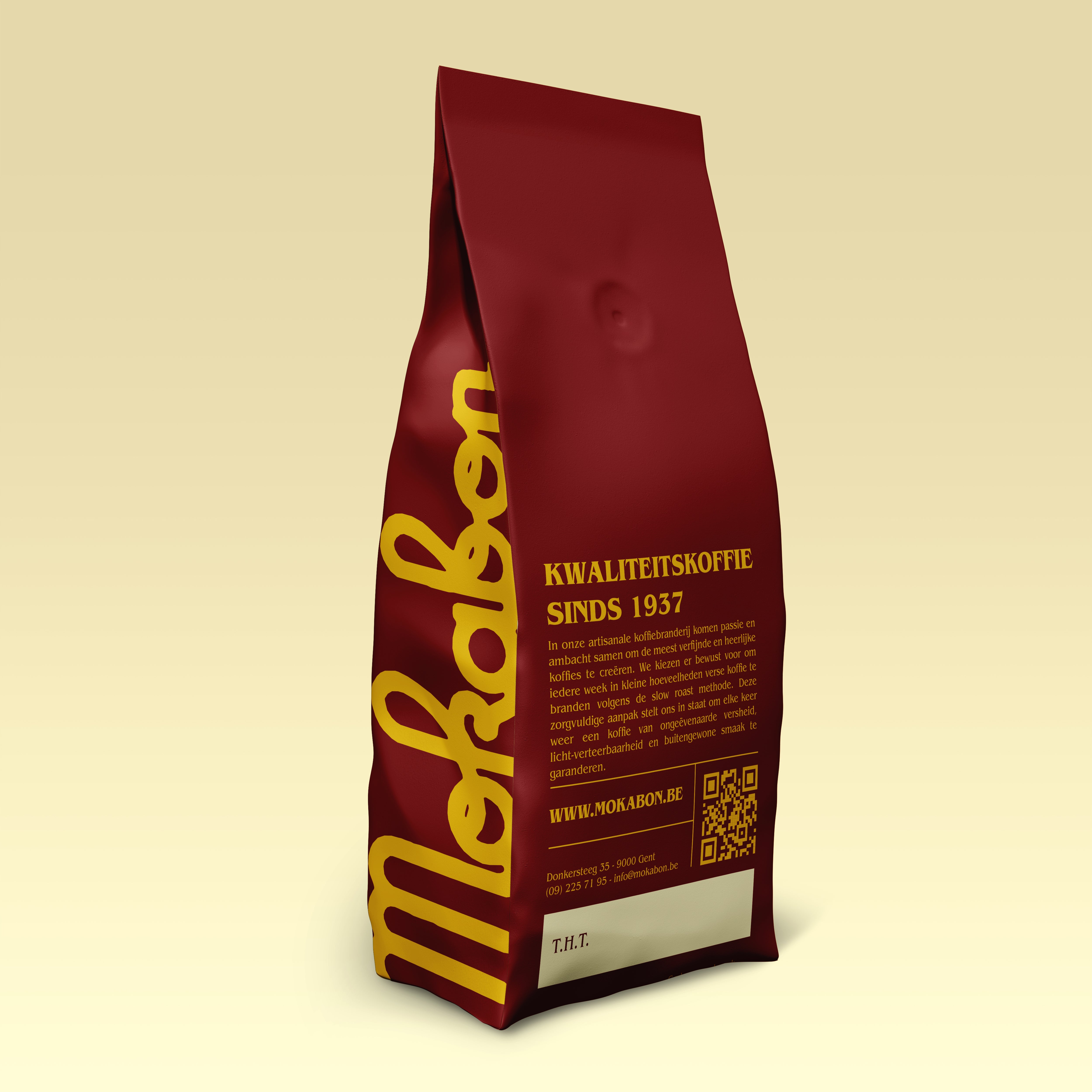
This evolution wasn't just happening with hip newcomers. Established brands were also moving along. In Ghent, this was evident in coffee shops that have been part of the city's fabric for decades, like Mokabon. There, the classic espresso retained its established place, while a younger clientele experimented with new milks and flavor combinations. Oat milk gave way to more refined plant-based alternatives like pistachio and cashew milk—a subtle but significant shift.
That balance between innovation and consistency typified not just one establishment, but the broader coffee landscape of 2025. Menus evolved, but the core remained untouched: quality began and ended with the bean.
More than taste: presentation and global influences
The way coffee was served also changed. A simple glass was no longer enough. Ceramics, special glassware, and sophisticated serving methods became part of the experience. Coffee became a complete concept.
In addition, new, international flavor profiles emerged. Matcha, turmeric latte, and other ingredients once considered niche or exotic found their way onto the menu. Often combined with foam and texture, a coffee experience was created that stimulated both visually and sensorially.
2026: coffee with a function
While 2025 was all about experience, 2026 seems to be shifting towards functionality . Coffee shouldn't just be delicious; it should also contribute to everyday life. Three clear trends are emerging.
1. Functional coffee
Coffee is becoming part of a broader wellness routine. Think of protein supplements after exercise, mushrooms like lion's mane for focus and concentration, or antioxidants that find their way into your cup. Baristas are increasingly combining nutritional knowledge with traditional craftsmanship.
2. Middle Eastern influences
Luxurious flavors and bold textures are gaining ground. Pistachio lattes, sometimes topped with rosewater, blur the line between coffee and dessert. Coffee becomes a moment in itself, not confined to the morning, but suitable for any time of day.
3. Global fusion
International flavors further enhance the menu. Ube (purple yam), black sesame, and matcha create an eclectic, colorful menu. Sweet, bitter, and umami are combined to create new flavor profiles that appeal to both curious gourmets and traditional coffee drinkers.
Authenticity as a counter-movement
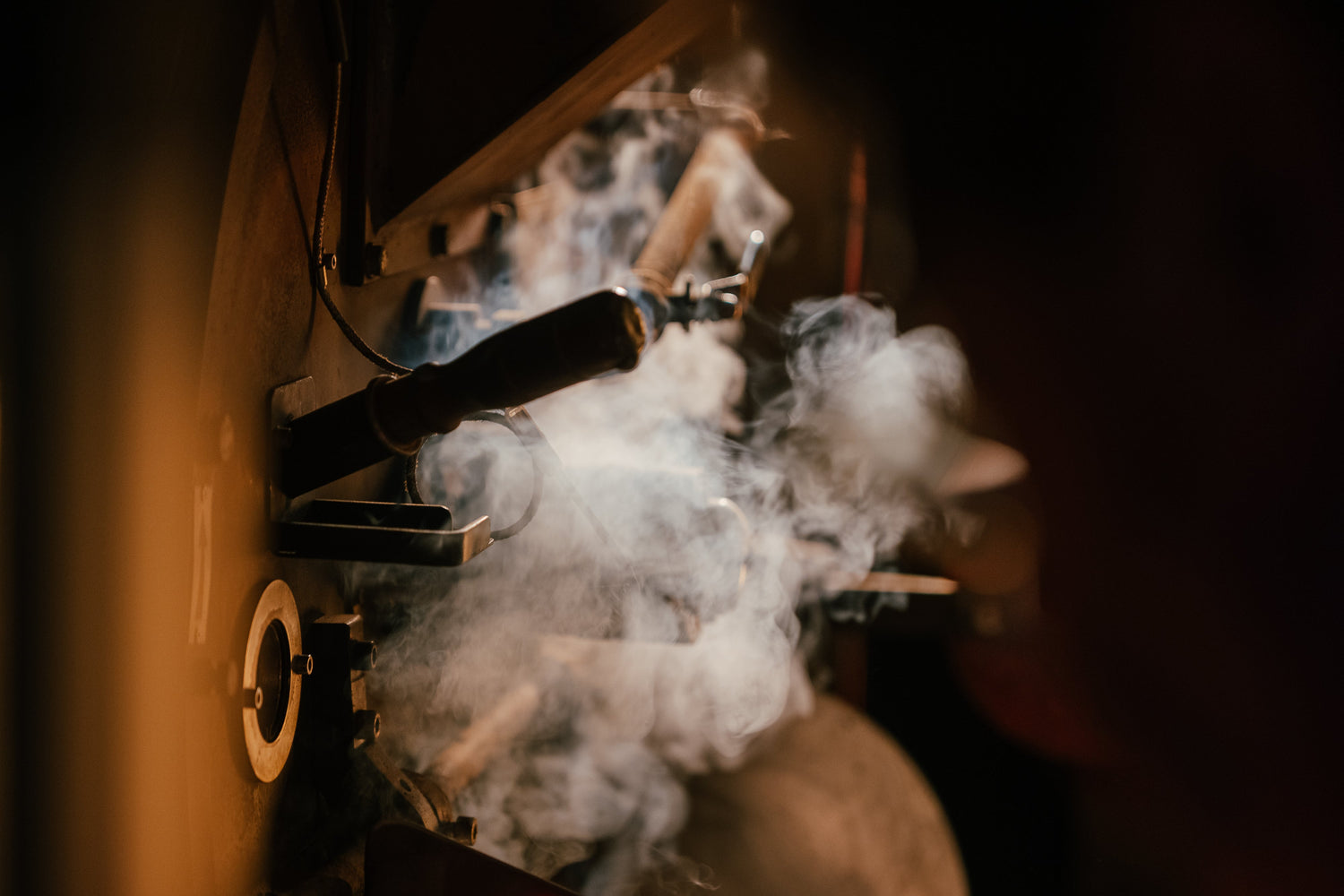
At the same time, a clear backlash is growing. In an age of automation and AI, appreciation for the human element and craftsmanship is growing. Classic coffee shops are increasingly serving as anchors in urban life. It's not just about what's in the cup, but about the moment surrounding it: the barista who knows you by name, the conversation about origin and roasting, the aroma of freshly roasted coffee on the street.
This reappraisal is reflected in the popularity of slow coffee . People are once again taking their time with a cappuccino or filter coffee. It's not the caffeine that's central, but the ritual. Despite trends and social media formats, coffee remains essentially a human experience.
The balance of tomorrow
The coffee industry in 2026 seems to be balancing between two worlds: innovation and authenticity. On the one hand, there's experimentation with flavors, textures, and functional ingredients. On the other, there's a growing need for trusted, artisanal experiences.
The challenge for coffee shops lies in finding that right balance: innovation without losing the essence. For consumers, this means more choice, a greater experience, and coffee that nourishes both body and soul.
In this tension, a house like Mokabon not only remains relevant, but also provides direction: as a silent witness to where coffee culture comes from, and as a reference for where it can evolve.
Want to discover more? Visit our website or contact us at info@mokabon.be