
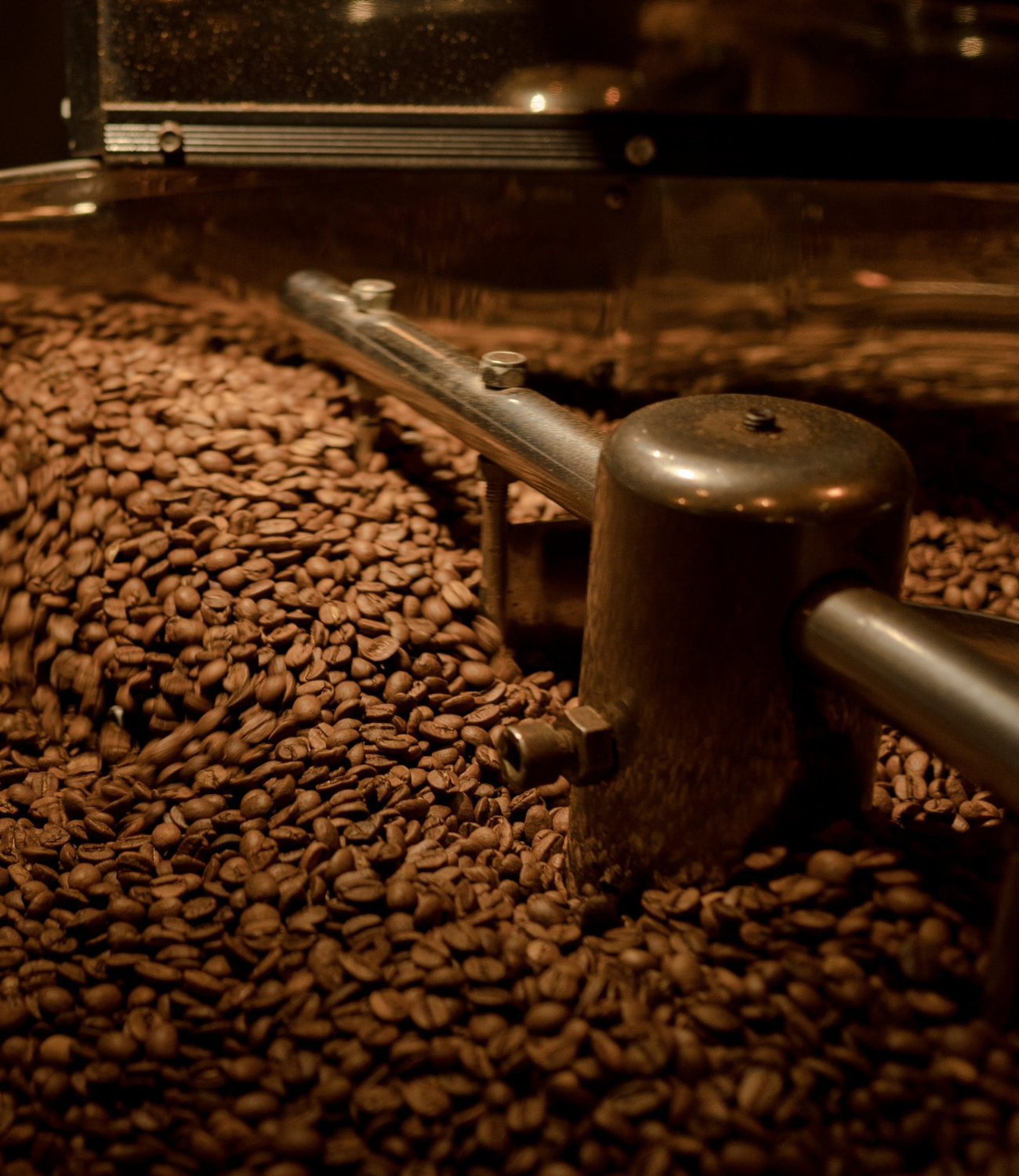
Coffee is a daily staple for many. A cup in the morning to get going, one after noon to boost concentration, but how much is actually too much? And when does coffee become less beneficial for you? In this blog post, we give you a clear and honest answer.
The golden rule: 400mg of caffeine per day
According to the European Food Safety Authority (EFSA), 400 mg of caffeine per day is a safe amount for healthy adults. This equates to about 3 to 4 cups of coffee per day, depending on the type of coffee and the preparation method.
A standard espresso contains an average of 60 to 80 mg of caffeine, while a filter coffee can quickly contain 80 to 120 mg. The type of coffee you drink therefore plays a big role in how much caffeine you consume.
What does caffeine do to your body?
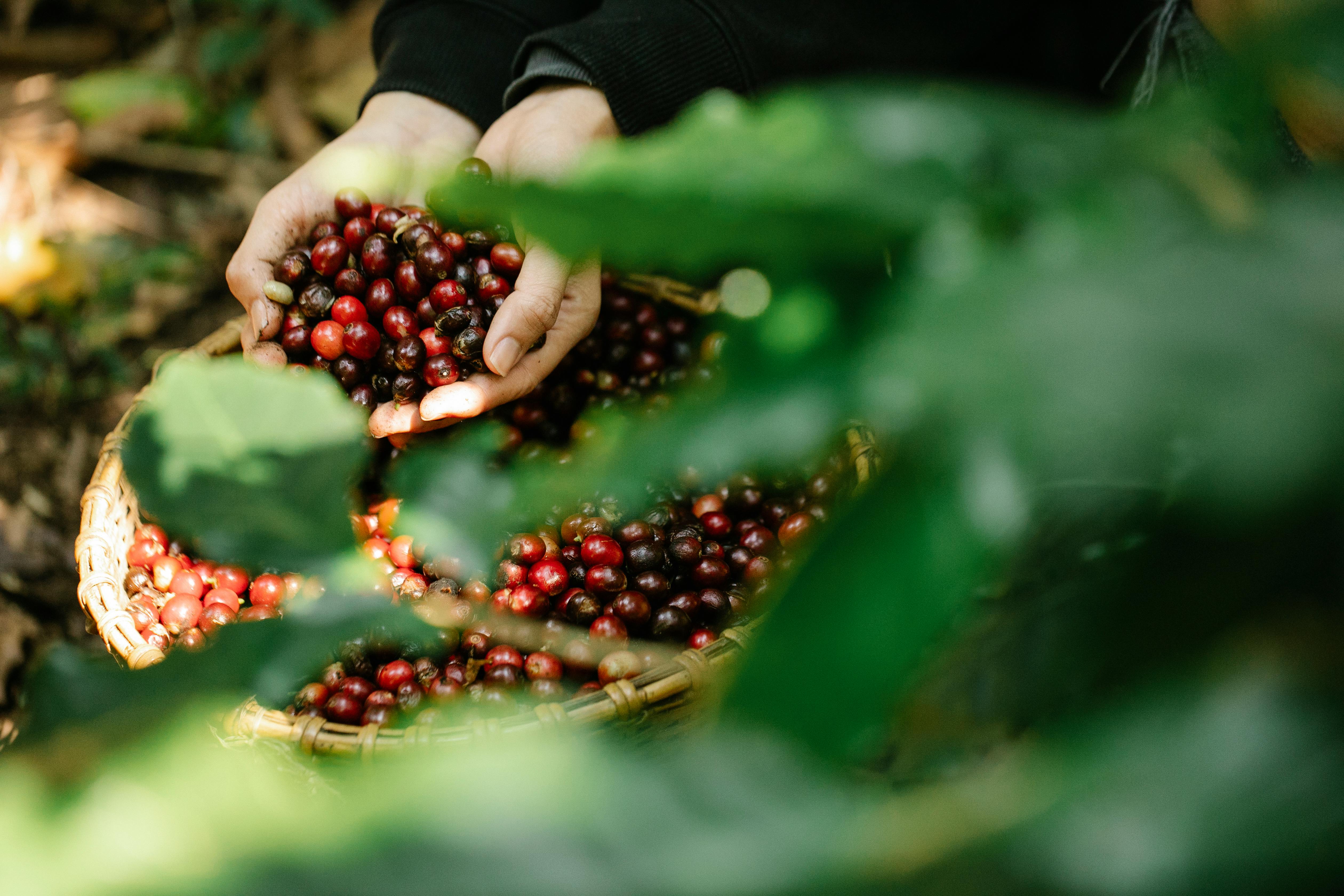
Caffeine is a natural substance found in coffee beans, tea, and cocoa. It acts as a stimulant for the central nervous system and has a number of well-known effects:
- Increased alertness: caffeine blocks adenosine, a substance that causes drowsiness
- Better concentration: many people perform better on tasks requiring attention after a cup of coffee
- Faster metabolism: caffeine temporarily increases fat burning
- Improved sports performance: caffeine is even used as a performance-enhancing substance in athletes
But as with everything: too much is too much.
When does coffee become too much?
With an intake of more than 400 mg of caffeine per day, negative effects can occur:
- Palpitations or an increased heart rate
- Sleep problems or restless nights
- Irritability
- Headaches upon sudden cessation
- Stomach complaints in sensitive individuals
So it's not that coffee is bad, it's about the right balance.
Special considerations
Not everyone reacts the same to caffeine. For certain groups, lower recommendations apply; always listen to your own body, which is the best indicator.
Coffee at the right time
Did you know that the time you drink coffee also makes a difference? Your cortisol, the hormone that keeps you awake and alert, naturally peaks between 8 and 9 AM. At that time, caffeine has less effect. The best times for coffee are:
- Between 9:30 AM and 11:30 AM (after the first cortisol peak)
- Between 1:30 PM and 5 PM (ideal for the afternoon slump)
Do you drink coffee after 5 PM? Then caffeine can negatively affect your sleep, especially if you are sensitive.
And our Summer Blend?
Our new Summer Blend is a light roast. And that has an advantage that many people don't know. Lightly roasted coffee contains slightly more caffeine than dark roasted coffee, because the roasting process breaks down some of the caffeine. So the Summer Blend gives you a fresh, floral coffee experience and a clear, energetic boost, without immediately reaching your daily limit.
Perfect for those who love coffee and are mindful of their intake.
Conclusion
Coffee is one of the most researched beverages in the world and, in moderation, is absolutely part of a healthy lifestyle. Stick to 3 to 4 cups a day, drink them at the right time, and choose quality coffee, and you'll get the best out of every cup.
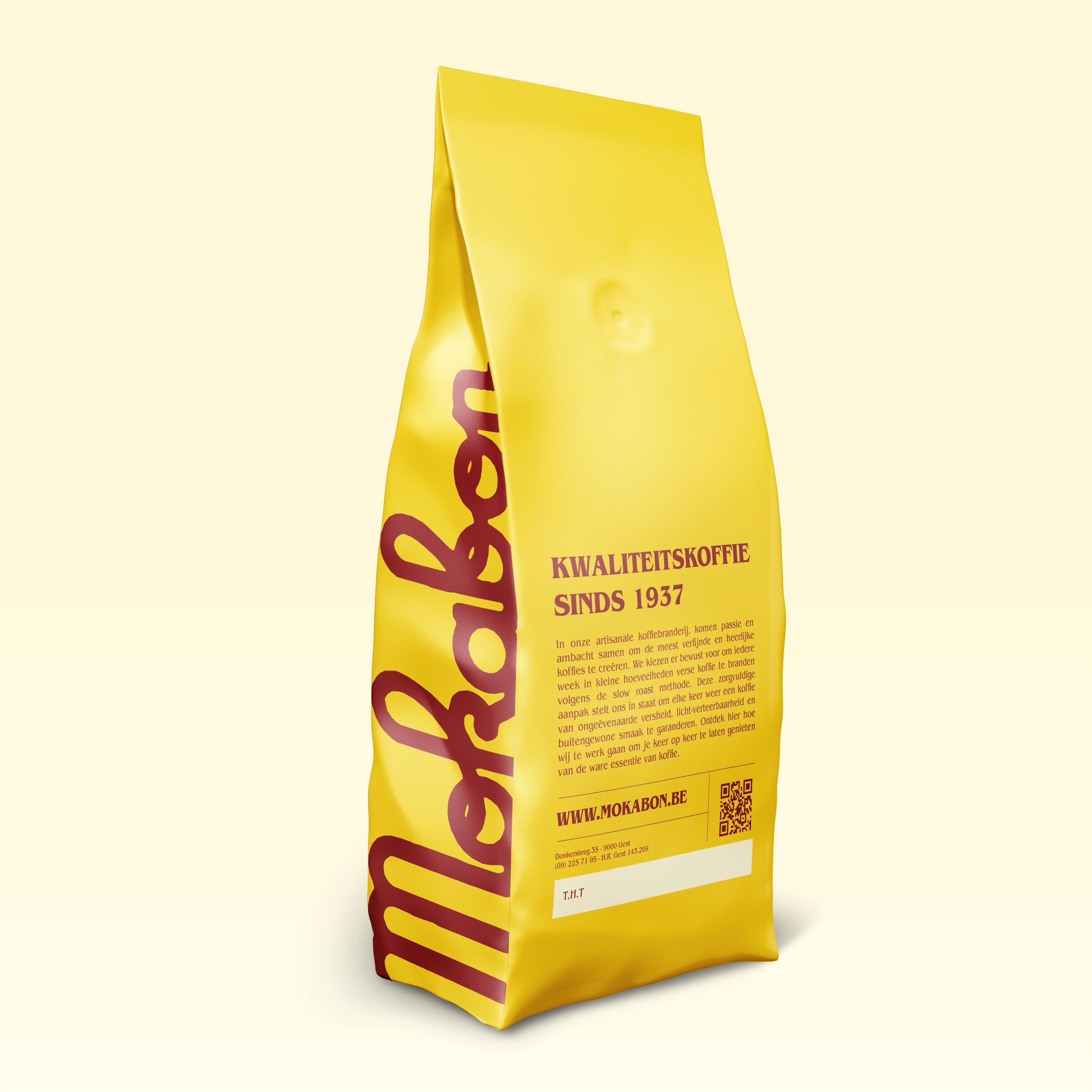
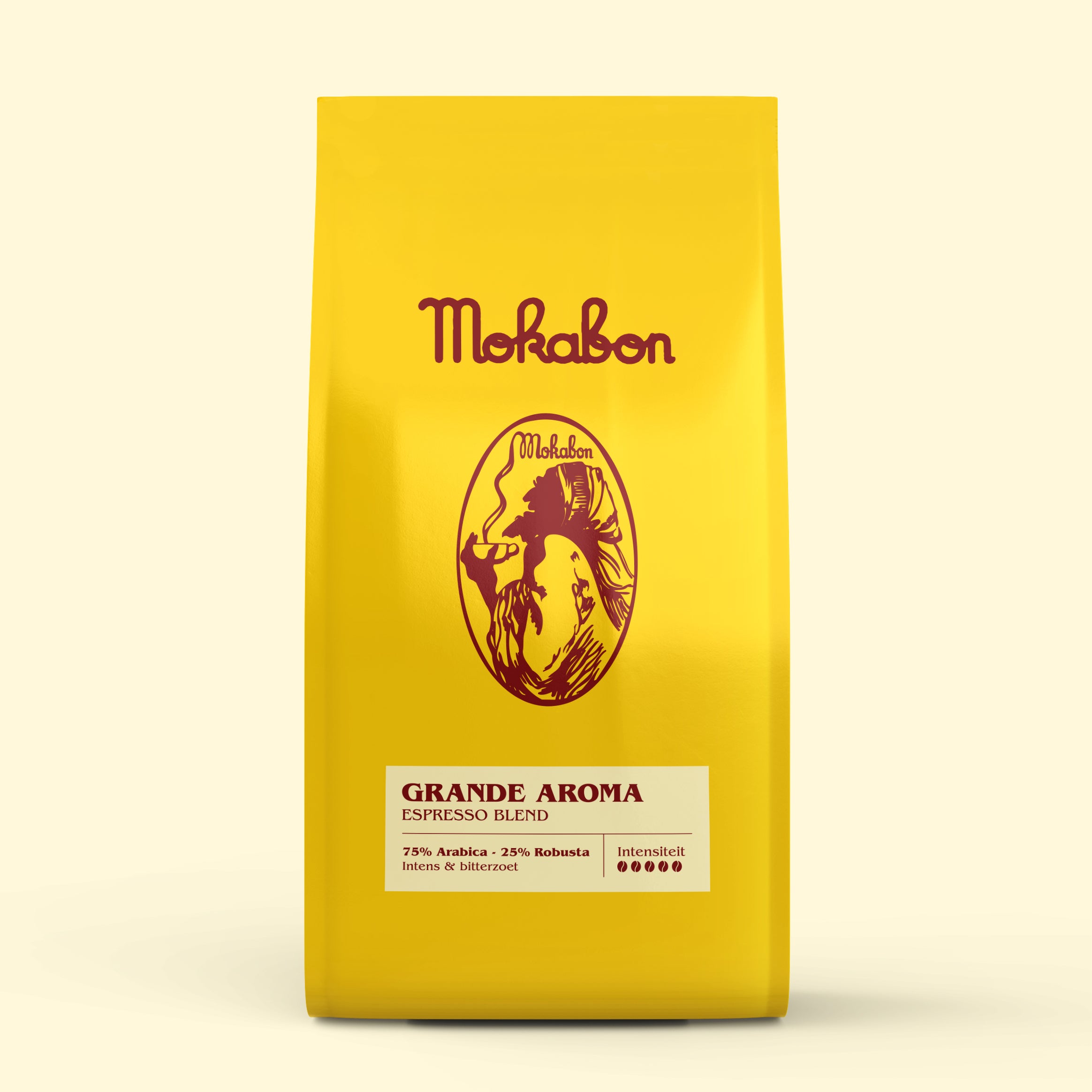
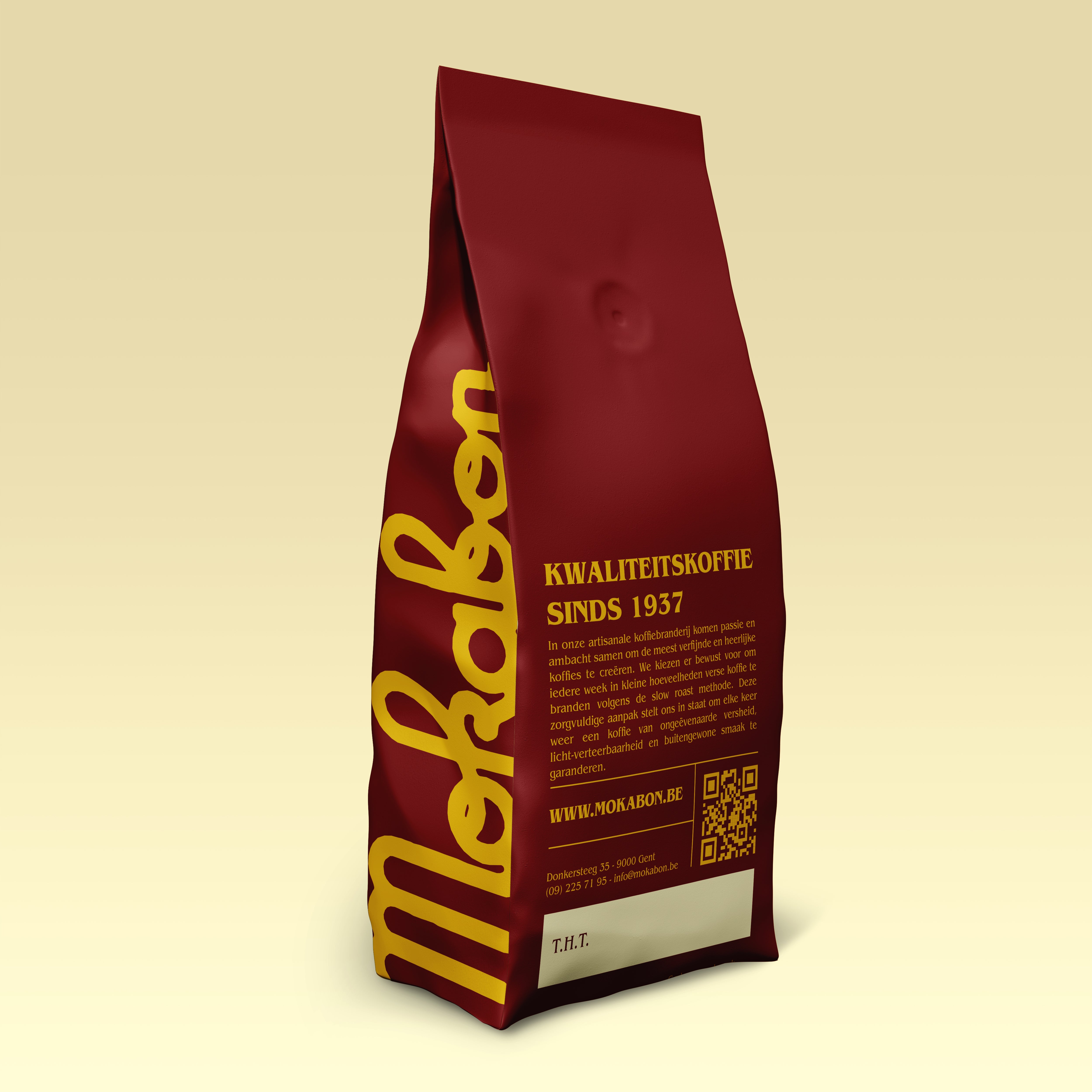
At Mokabon, we roast our coffee fresh, in small batches, so you can enjoy it every day with peace of mind.
Visit us in the Donkersteeg or order online, and taste the difference
info@mokabon.be / 09 225 71 95
Donkersteeg 35, 9000 Ghent